
I Thought Verified Meant Safe, Then I Read Hela Add's Fine Print
For a long time, I assumed the “Verified” badge on Hela Add actually meant something serious. I thought the platform had checked the advertiser, reviewed the listing, or at least confirmed basic legitimacy. Like many users, I treated that badge as a shortcut for trust.
Then I started reading the actual pages behind the listings. What I found was very different from the impression the badge creates.
Across several Hela-style classified platforms, verified badges appear far more connected to paid visibility upgrades than to any clearly documented review process. The sites promote VIP placements and paid boosts, but publish little evidence of identity checks, moderation standards, or enforcement rules.
Why I Initially Trusted the Badge
The assumption feels natural. A badge next to a listing suggests the platform checked something before displaying it publicly. When you repeatedly see “Verified” beside ads, especially in personal service categories, it starts to feel like a real safety layer.
That was exactly how I used the platform. I scanned listings quickly and treated the badge as a filter. Verified meant safer. Unverified meant higher risk. Over time, the habit became automatic.
Only later did I realize I had never actually seen an explanation of what the badge meant.
The First Red Flags I Noticed
The turning point came when I looked closely at how the platform handled VIP upgrades and paid visibility.
On several pages, paid promotional offers appeared directly beside the verification language. Some listings advertised time-based services with clear pricing while also displaying trust-style badges. The same flow that offered visibility boosts also pushed “VIP” placement.
Hela Lanka Ads listings and categories show how these promotional layers are built directly into the posting system.
What I could not find was equally important:
- No detailed explanation of the verification process
- No published moderation standards
- No visible audit trail
- No reviewer names or approval criteria
- No public enforcement statistics
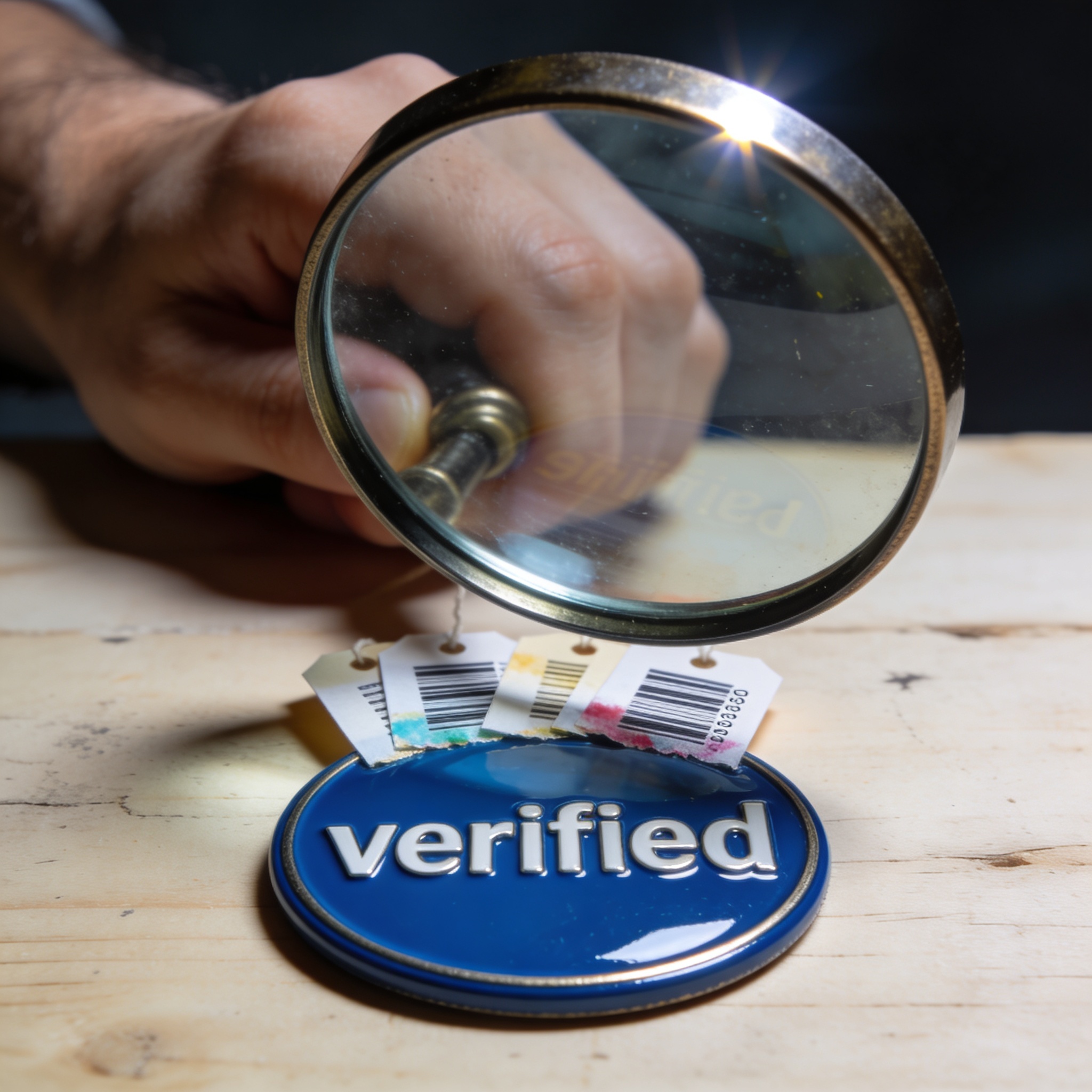
The more I looked, the more the badge resembled a marketing feature rather than a documented trust system.
Missing Policies and Broken Support Pages
Another issue appeared when checking the support structure behind these sites.
Several Hela-style domains either lacked working contact pages entirely or redirected users toward WhatsApp numbers inside listings. Privacy pages and support routes were inconsistent across domains. Some links returned errors or incomplete pages.
That matters because a real verification system usually includes:
- Clear reporting channels
- Published moderation policies
- Dispute procedures
- Removal processes
- Transparency around enforcement
Without those systems, users have very little visibility into how listings are reviewed or removed.
What the Listings Actually Suggest
I reviewed multiple listings carrying “Verified” labels or cash-back claims across related domains.
In most cases, the badge appeared without:
- A review date
- Verification criteria
- Identity confirmation details
- Evidence of third-party checks
Some pages linked directly to VIP upgrade offers instead of explaining moderation standards. Others promoted visibility packages while displaying trust-style language at the same time.
The pattern was surprisingly consistent across domains.
Why Mainstream Platforms Feel Different
The contrast becomes clearer when comparing these sites to larger marketplaces.
Platforms like ikman publish dedicated safety pages, moderation guidance, and clearer reporting tools. Users can usually find public policies, support channels, and explanations of how suspicious listings are handled.
Hela-style networks often focus more heavily on speed, visibility, and paid promotion. The trade-off is lower transparency around how verification actually works.
What “Verified” Appears to Mean in Practice
After reviewing the listings and platform structure, the pattern became difficult to ignore.
The badge seems tied more closely to paid placement and promotional upgrades than to any clearly published verification standard. Visibility purchases appear frequently beside verification labels, while moderation details remain largely absent.
That does not automatically mean every listing is false. It does mean users should avoid assuming the badge equals independent verification.
A Simple Checklist Before Trusting Any Verified Badge
Before responding to a listing, especially in higher-risk categories, it helps to run a few quick checks:
- Look for a published verification policy
- Check whether VIP upgrades appear beside the badge
- Search for a working support or contact page
- Ask for timestamped photos or live confirmation
- Screenshot the listing before making contact
- Avoid advance payments without documentation
- Cross-check the phone number on other domains
These steps only take a few minutes and provide far more protection than relying on the badge alone.
What Platforms Could Do to Build Real Trust
If these platforms want verified badges to carry real credibility, the solution is straightforward.
They could publish:
- Clear verification criteria
- Identity-check procedures
- Moderation policies
- Badge revocation rules
- Working support channels
- Transparency reports
Even basic disclosure would make it easier for users to understand whether a badge reflects genuine review or simply a paid upgrade.
Key Takeaways
- Verified badges on Hela-style sites often appear alongside paid VIP placement systems.
- Most reviewed domains publish little information about moderation or identity checks.
- Users should treat badges as promotional signals unless verification standards are clearly documented.
How do I post an ad on Hela Add?
Select a category, enter your listing details, upload photos, and publish the ad. VIP visibility upgrades usually appear during the final posting stage.
Are Hela Add listings free or paid?
Basic listings are often free, while VIP placement and visibility boosts require payment. Pricing varies depending on the category and promotion level.
What does Verified mean on Hela-style sites?
The sites do not clearly publish a detailed verification methodology. In many cases, the badge appears closely connected to paid promotional features.
How can I contact support or remove a listing?
Most support communication routes through WhatsApp numbers or contact details shown inside the listing itself. Centralized support systems are limited on several domains.
Frequently Asked Questions
Is Hela Add safe for buyers and advertisers?
Users should apply their own verification steps before trusting listings. The platforms publish limited information about moderation or enforcement procedures.
Does Hela Add verify age or identity?
No publicly available policy clearly explains how identity or age verification is performed on the reviewed domains.
Can I remove a paid VIP listing?
Removal requests usually go through the contact number or WhatsApp channel connected to the listing. Public removal procedures are rarely documented.
Why do verified badges create confusion?
Because the badge visually suggests independent review, while the surrounding platform structure often ties it closely to paid visibility upgrades.
What evidence should users keep after posting or responding?
Save screenshots of the listing, payment receipts, confirmation messages, URLs, and all conversations. Those records become important if disputes arise later.