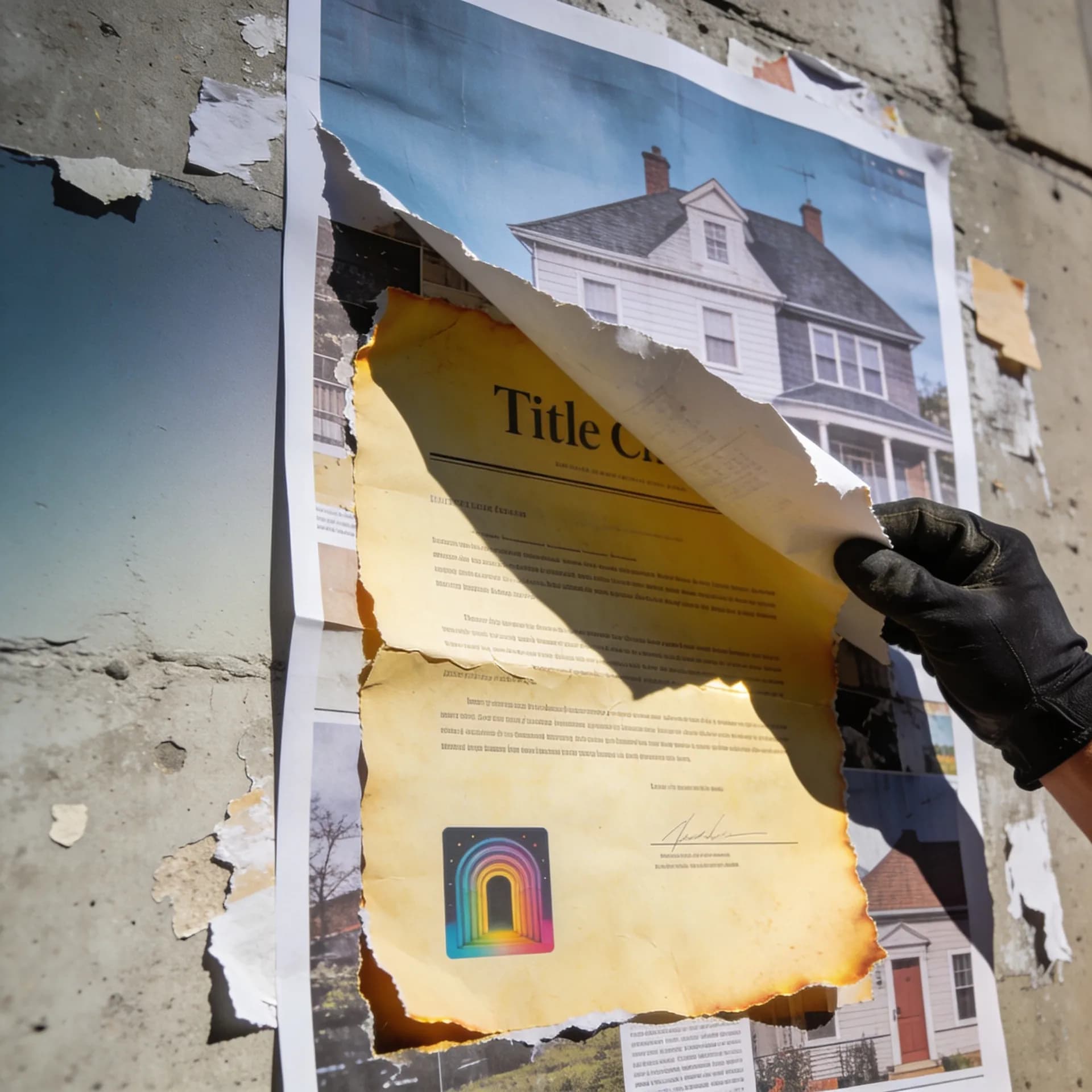
Lanka Ads Compared: What Property Portals Don’t Always Tell Buyers
Searching for property in Sri Lanka feels easier than ever. Thousands of listings appear across popular portals like Ikman, LankaPropertyWeb, and agency websites. Prices, photos, and location filters create the feeling that everything is transparent and ready to compare.
But experienced buyers know something important: property listings are starting points, not proof.
Most Sri Lankan property portals function as listing marketplaces, not verification services. Buyers still need to independently confirm deeds, ownership history, surveys, and legal details before making any payment or commitment.
Why Large Listing Numbers Create Confidence
When buyers see “25,000+ listings” or “60,000+ live ads,” it naturally creates trust. High inventory makes a platform feel established and active.
But many of those listings are uploaded directly by users, agents, or developers with limited upfront verification. The same property can appear across multiple sites with different prices, descriptions, or contact details.
That does not mean the listings are fake. It simply means the platforms are designed to display inventory quickly, not perform full legal checks before publication.
A property listing helps you discover opportunities. It does not confirm ownership or legal status.
What Buyers Often Assume — and Miss
Most buyers expect portals to screen listings carefully. They assume property titles, boundaries, and seller claims have already been checked.
In reality, most major portals focus on visibility and advertising reach. Features like boosted ads, premium placements, and featured listings are part of the business model.
That means the most visible property is not always the most verified one.
Common Risks Hidden Behind Attractive Listings
Some buyers only discover problems after moving further into the process.
Common issues include:
- Unverified or outdated pricing
- Boundary mismatches on land
- Undisclosed encumbrances
- Properties listed through company ownership structures
- Duplicate listings with inconsistent details
Foreign buyers can face additional complications, especially when properties are sold through company share transfers rather than direct deed transfers.

The Checks Smart Buyers Always Request
Before placing a deposit or signing agreements, experienced buyers usually ask for several key documents:
- Original deed copies
- An encumbrance certificate
- An independent surveyor report
- Seller identity verification
- Company registration records if company-owned
- Tax clearance documentation
- Full ownership transfer history
These checks help reveal issues that do not appear inside the property listing itself.
Why Comparing Prices Is Harder Than It Looks
Many Sri Lankan listings still use per-perch pricing, while others focus on total property value. Without converting measurements consistently, buyers can easily misjudge market value between regions.
Colombo suburbs, southern coastal towns, and emerging development areas often follow completely different pricing patterns.
Good property decisions come from verified documents and local comparisons — not listing popularity alone.
A Smarter Way to Use Property Portals
Property websites are still useful tools. They help buyers discover opportunities, compare locations, and understand market activity.
But the safest approach is to treat portals as the beginning of research, not the final proof of legitimacy.
Use listings to shortlist properties. Then verify everything independently through lawyers, surveyors, and official land records before moving forward.
Hela Lankaa Ads and similar platforms can help buyers explore the market, but careful due diligence remains essential no matter which portal is used.
Key Takeaways
- Large property listing counts do not guarantee verified ownership.
- Most portals focus on listings and visibility rather than legal verification.
- Independent deed checks, surveys, and legal reviews remain essential before purchase.