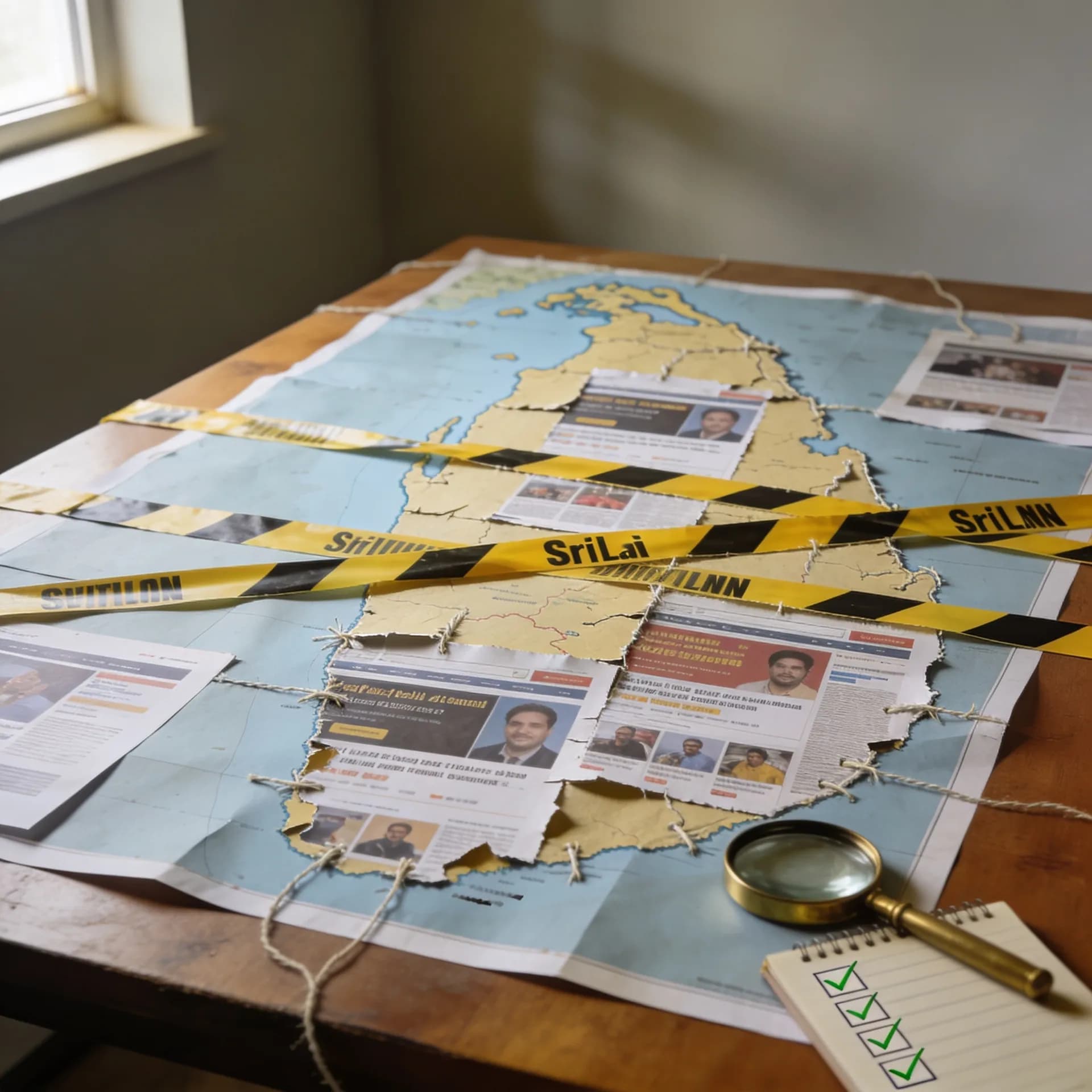
The Four Trust Mistakes Everyone Makes on SL Ads and How to Avoid Them
You open an SL Ads listing for a spa or personal service. A blue checkmark sits beside the post. The ad looks polished. Prices are neatly listed. A Telegram button promises “faster replies.” It feels legitimate at first glance.
That exact pattern repeats across Sri Lankan classified sites every day. The problem is that many users mistake visual signals for real verification. A badge looks official. A “video verified” label sounds trustworthy. Repeated listings across multiple sites feel like proof. In reality, those signals often come with no published standards, no audits, and no accountability.
SL Ads platforms commonly use badges, verification labels, and Telegram redirects that appear trustworthy but rarely explain how verification works. Buyers should independently check listings, seller identity, and payment records before proceeding.
The first mistake: trusting the verified badge automatically
You see the word “verified” beside a listing and assume someone checked the seller properly. That assumption is exactly what these platforms rely on.
SL Ads listing examples and badge displays often show verification labels without explaining what was verified, who reviewed the listing, or how many ads fail the process. In most cases, the badge functions more like marketing than regulation.
The safest move is simple. Ask the seller directly what documents were verified. Then contact the platform itself and request the written verification criteria. If no clear answer exists, treat the badge as decoration rather than proof.
The second mistake: believing video verification means safety
Many Sri Lankan classified sites now advertise “video verified” listings. At first glance, that sounds reassuring. But most platforms never explain what the process involves.
Listings with video verification claims may display uploaded clips or photos without confirming business registration, ID matching, or live review checks.
The problem is that the seller controls the content being uploaded. A prerecorded clip is not the same as an independent verification process.
Instead of trusting the label alone, request a live video call. Ask the advertiser to show identification or business registration documents during the call. If they avoid this step, walk away.
The third mistake: moving the conversation to Telegram too quickly
This is one of the biggest trust traps on classified platforms.
You click a listing, then the seller immediately pushes the conversation to Telegram or WhatsApp. Once that happens, the original listing can disappear at any moment. The platform keeps no useful dispute trail, and buyers lose the only visible connection between the seller and the ad.
Listings redirecting users to Telegram channels follow this pattern heavily.
Messaging apps feel convenient and private, which is why users follow the link. But convenience removes accountability.
Keep payment discussions and booking details inside the platform whenever possible. If a seller refuses, that alone is a warning sign.
The fourth mistake: assuming repeated listings mean legitimacy
You search a phone number or listing title and see the same ad appear across several websites. Most users interpret that as popularity or credibility.
In reality, cloned domains and duplicated listings are extremely common across SL Ads networks.
Duplicate classified listings across multiple domains often reuse the same images, descriptions, and contact numbers. The repetition creates familiarity, and familiarity feels trustworthy.
But duplicated listings usually indicate automated reposting rather than stronger moderation.
The fastest way to detect clones is to copy the exact listing title into Google using quotation marks. If the same ad appears on five or more similar-looking sites, treat it cautiously until independently verified.
How SL Ads became fragmented between 2023 and 2026
Over the last few years, Sri Lankan classified networks expanded rapidly. New domains appeared using nearly identical templates, copied descriptions, and shared Telegram channels.
Many sites focused on increasing listing volume rather than improving moderation systems. Verification labels became common, but published standards remained rare.
Users adapted by relying on visual trust signals instead of documented checks. That shift created the four mistakes described above.
A practical verification checklist you can use immediately
Before paying deposits or arranging meetings, follow these steps:
- Search the seller’s phone number online and check where else it appears.
- Request a live video call with visible identification.
- Keep payment discussions inside the platform whenever possible.
- Search the listing title in quotes to detect cloned ads.
- Avoid sending money through Telegram-only arrangements.
- Save screenshots of the listing, messages, and payment records.
These steps take only a few minutes but dramatically reduce the chance of dealing with cloned or misleading listings.

What users should remember moving forward
The biggest mistake on SL Ads platforms is confusing presentation with proof. A clean layout, a verified icon, or a repeated listing does not automatically mean the seller is legitimate.
Trust should come from documentation, traceable communication, and independently confirmed identity — not from visual badges alone.
Key takeaways
- Most SL Ads verification badges do not explain how verification works.
- Telegram redirects reduce accountability and remove platform dispute records.
- Repeated listings across multiple domains often indicate cloning rather than credibility.
- Independent checks matter more than visual trust signals.