
Verified on SL Ads? The Evidence Suggests Those Badges Are Paid Placements, Not Real Checks
Most buyers see a verified badge on an SL Ads listing and assume the platform reviewed the seller first. The badge looks official, trustworthy, and safe. That assumption influences real decisions involving personal services, classifieds, and advance payments.
But when you look closely at pricing pages, duplicate domains, and missing policy documents, a different picture starts to emerge.
Across several Hela-style classified networks, verified badges appear closely tied to paid VIP packages rather than transparent moderation systems. Sites openly sell Super Ads, VIP placements, and video verification upgrades while publishing little information about ownership, review standards, or dispute handling.
In practice, the badge often functions more like a visibility product than evidence of independent verification.
Why Buyers Automatically Trust the Verified Label
People naturally associate verification badges with platform oversight.
When users see a listing marked verified, they assume:
- The seller’s identity was checked
- The listing was reviewed
- The platform screened for fraud
- Basic safety standards exist
The problem is that many SL Ads-style platforms never clearly explain what verification actually means.
The badge still creates trust because it looks official and appears beside listings in a prominent way. Buyers fill in the missing details themselves.
What the Network Data Actually Shows
A review of multiple Hela-style classified domains revealed repeating patterns that challenge the idea of independent moderation.
Listings carrying verified badges often appeared without any visible evidence of vetting or review.
Across several domains:
- Identical images appeared under different phone numbers
- The same descriptions were reposted on multiple sites
- Personal and spa listings reused identical templates
- Pricing structures focused heavily on paid placement upgrades
Some listings advertised services priced between Rs.3,500 and Rs.10,000, while short video interactions carried separate micro-pricing ranging from Rs.500 to Rs.2,000.
That pattern looks far more consistent with a paid visibility network than a carefully moderated classified platform.
How the Badge System Is Actually Sold
Several sites openly publish advertising tiers.
Examples include:
- VIP Ad — Rs.9,000
- Super Ad — Rs.1,500
- Normal Ad — Rs.700
These packages improve placement visibility and often include the verified badge itself.
What is missing from the pricing pages is equally important.
There are usually no published references to:
- Identity checks
- Background reviews
- Manual moderation steps
- Age verification procedures
- Independent audits
The structure suggests the badge is attached to the advertising package rather than earned through a separate review process.
The Clone Network Problem
One of the strongest warning signs is the amount of duplication across domains.
The same listings frequently appear on multiple sites using:
- Identical photos
- Nearly identical descriptions
- Different phone numbers
- Slightly different domain names
This creates confusion for buyers trying to trace accountability.
When complaints arise, users often struggle to determine:
- Which site owns the listing
- Who controls the payment flow
- Which operator is responsible
- Where disputes should be reported
Instead of one transparent marketplace, users encounter a fragmented network of low-cost domains sharing templates and content.
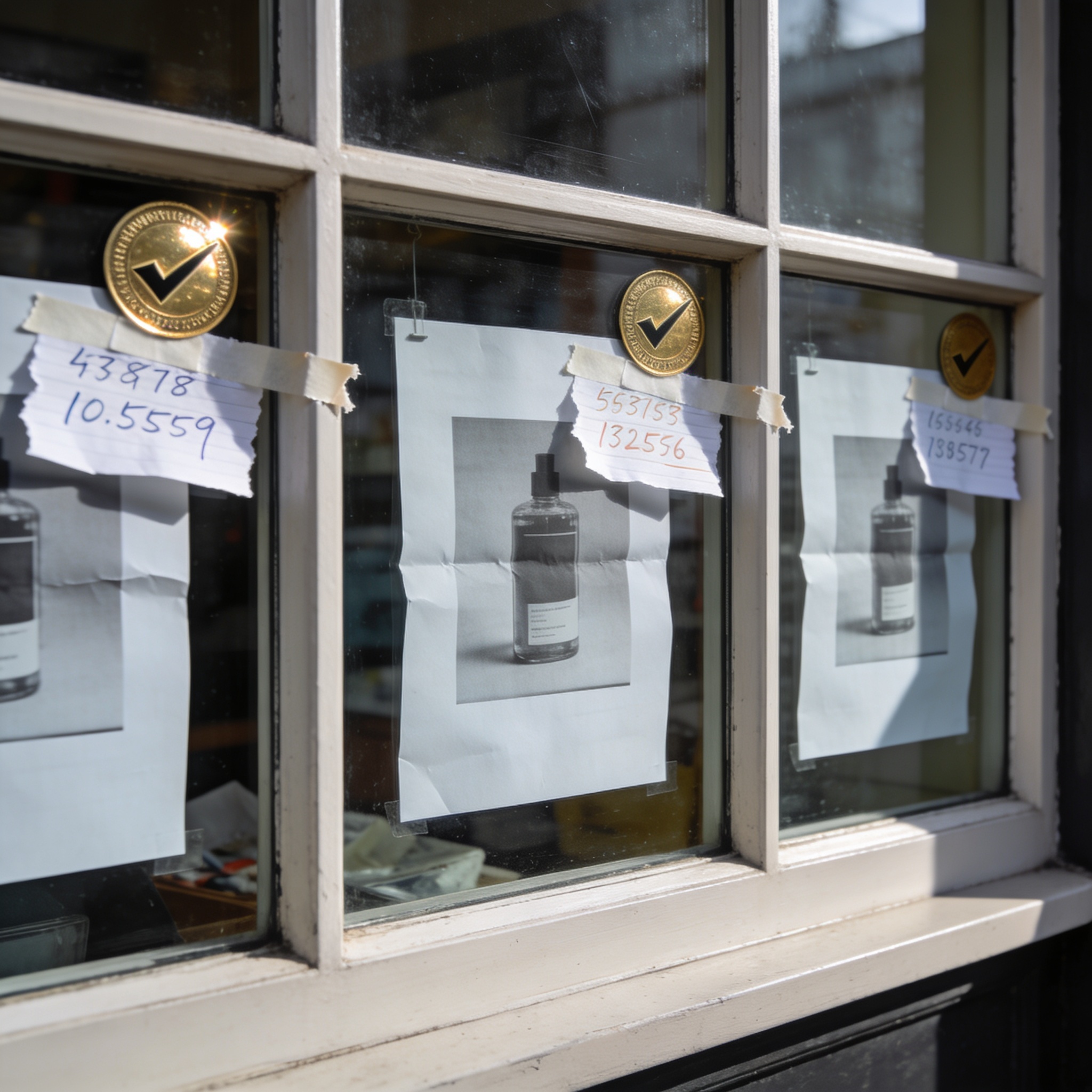
How Paid Visibility Becomes Perceived Trust
The business model explains much of the design.
Platforms earn revenue from:
- VIP upgrades
- Super Ads
- Verification-style labels
- Featured placements
Publishing strict moderation systems or manual reviews increases operational cost. Selling trust signals directly is simpler and more profitable.
Because most buyers never see an explanation of how verification works, they interpret the badge as proof of safety by default.
The result is a gap between what users believe the badge means and what the platform actually documents.
Why Cashback and Video Verification Claims Raise Questions
Several domains advertise:
- Cashback guarantees
- Video verification services
- VIP support packages
Yet very few publish:
- Refund timelines
- Successful dispute examples
- Verification methodologies
- Named moderation contacts
A buyer who prepays often has no visible dispute channel if something goes wrong.
Without transparency, these promises remain marketing claims rather than clearly enforceable protections.
What Buyers Should Do Instead
Users should treat every verified badge as a promotional label until the platform proves otherwise.
Before sending money:
- Reverse-search listing images
- Search the phone number across domains
- Request live proof or video verification directly from the seller
- Ask for written refund terms
- Avoid advance bank transfers whenever possible
Real trust comes from documented transparency, not visual badges alone.
What Responsible Platforms Should Publish
If classified platforms want users to trust verification systems, they should publicly provide:
- Company ownership details
- Business registration numbers
- Verification methodologies
- Moderation standards
- Refund procedures
- Named support contacts
Without those details, buyers have little way to distinguish between a genuine review system and a paid visibility feature.
The Regulatory Gap in Sri Lanka
One major issue is the lack of clear public guidance around personal-service classifieds and clone ad networks in Sri Lanka.
Users searching for official rules often find:
- No specialised reporting systems
- Limited platform accountability guidance
- No published moderation standards
- Few clear enforcement pathways
Most complaints end up routed through general consumer protection or police reporting channels, which are not specifically designed for these types of classified networks.
Key Takeaways
- Verified badges on many SL Ads-style platforms appear linked to paid advertising packages rather than transparent moderation.
- Duplicate listings across clone domains make accountability difficult for buyers.
- Most reviewed sites publish little information about ownership, verification criteria, or dispute handling.
- Buyers should independently verify listings before making any payment.
What is SL Ads / Lanka Ads?
SL Ads refers to a group of Sri Lankan classified platforms that host personal, spa, service, and general listings using paid visibility tiers such as VIP and Super Ads.
How do users post ads on SL Ads sites?
Users typically select a listing package, upload photos and descriptions, and pay for placement upgrades. Public moderation or verification standards are rarely explained.
Is SL Ads actually verified or safe?
The presence of a verified badge alone does not confirm independent checks. Buyers should verify listings themselves before making payments.
Why do the same ads appear on multiple domains?
Many Hela-style classified networks reuse templates and cross-post listings across several domains to increase reach while reducing operating costs.
Frequently Asked Questions
What does the verified badge really mean on SL Ads?
On many reviewed domains, the badge appears connected to paid advertising packages rather than independently documented verification checks.
Can buyers get refunds if a listing turns out to be fake?
Most domains publish limited or unclear refund procedures, making recovery difficult when disputes occur.
Why are listings duplicated across several SL Ads sites?
Clone domains often repost the same listings using shared templates, images, and advertising systems to increase visibility.
Is there legal protection for users of Sri Lankan classified sites?
General consumer protection laws may apply, but there is limited specialised public guidance for classified-network disputes and cloned ad systems.
How can users check whether a listing is legitimate?
Search the phone number and images across multiple domains, request live proof from the seller, and avoid advance transfers without written terms.
Which SL Ads platform is safest?
Users should favour platforms that publish clear ownership information, moderation standards, refund policies, and transparent verification procedures.
```