When Verification Is a Paywall: Inside Lanka Ads Paid Badges
Across Sri Lankan classified sites, one assumption keeps repeating: a verified badge must mean the platform checked the seller. Buyers see the label and feel safer. Sellers use it to build trust quickly. The problem is that most Hela-style directories never explain what “verified” actually means.
Several Lanka Add and Hela personal ads sites openly sell video or voice verification for small fees, usually between Rs.200 and Rs.300. At the same time, the same platforms publish no moderation logs, named reviewers, or audit policies. The badge often works more like a paid visibility feature than proof of identity or safety.
Why people trust verified badges
Most buyers naturally assume a verified label means someone checked the account behind the ad. It feels logical. If a platform hosts personal or spa listings, users expect at least some identity review before a badge appears.
That belief spreads easily because the sites themselves rarely challenge it. The badge looks official, appears next to contact details, and creates the impression of platform approval.
What Hela-style directories actually publish
Sites like Hela Lanka Ads display thousands of personal, spa, and classified listings with verification labels attached. Yet many of these directories provide no public explanation of:
- Who performs verification
- What documents are checked
- How long approval lasts
- Whether rejected ads are tracked
- How users can appeal or report abuse
Most directories also avoid publishing moderator names, company registration details, or formal audit processes.
Where the verification myth breaks down
Several Lanka Ads networks openly advertise paid video verification and VIP placement packages. Buyers often interpret these badges as evidence of screening, even though the platforms provide no independent proof that checks actually occurred.
Some sites claim verified ads receive higher response rates, yet they publish no raw data or third-party reviews supporting those claims.
The result is a system where payment and trust signals become closely linked, while the actual verification process remains unclear.
How paid trust became part of the business model
Verification upgrades generate direct revenue for classified platforms. Featured listings, VIP placement, and verification add-ons all increase visibility for sellers.
That creates a conflict: the platform earns more when more badges are sold. Without public standards or audits, buyers have no way to know whether a listing was carefully reviewed or simply upgraded through payment.
In practice, the badge often functions as a marketing tool rather than a transparent safety system.
Telegram links and duplicate listings create even more confusion
Many Hela-style listings redirect conversations to Telegram or WhatsApp shortly after first contact. Once discussions move off-platform, the directory no longer controls the communication or payment process.
At the same time, identical ads frequently appear across multiple domains using different phone numbers. Buyers may think they are seeing separate listings when the content actually originates from the same network.
This duplication makes accountability difficult and weakens the value of any single verified badge.
The missing safety information buyers never see
Mainstream marketplaces usually publish stay-safe pages, reporting tools, and moderation policies. Smaller Lanka Add networks often do not.
Many directories fail to provide:
- A registered business address
- A dedicated fraud-reporting email
- Data-retention policies
- Refund procedures
- Named escalation contacts
Without these protections, buyers have limited recourse if a verified listing turns out to be misleading or fraudulent.
A quick buyer audit before sending money
Before paying any seller on a Hela-style directory, run a few simple checks:
- Ask how the verification was completed
- Request proof or confirmation from the platform
- Search the phone number across multiple listings
- Request a recent timestamped photo
- Check whether the same images appear on other domains
- Keep screenshots of every conversation
These steps take only a few minutes and often reveal whether the badge reflects real checks or simply a paid upgrade.
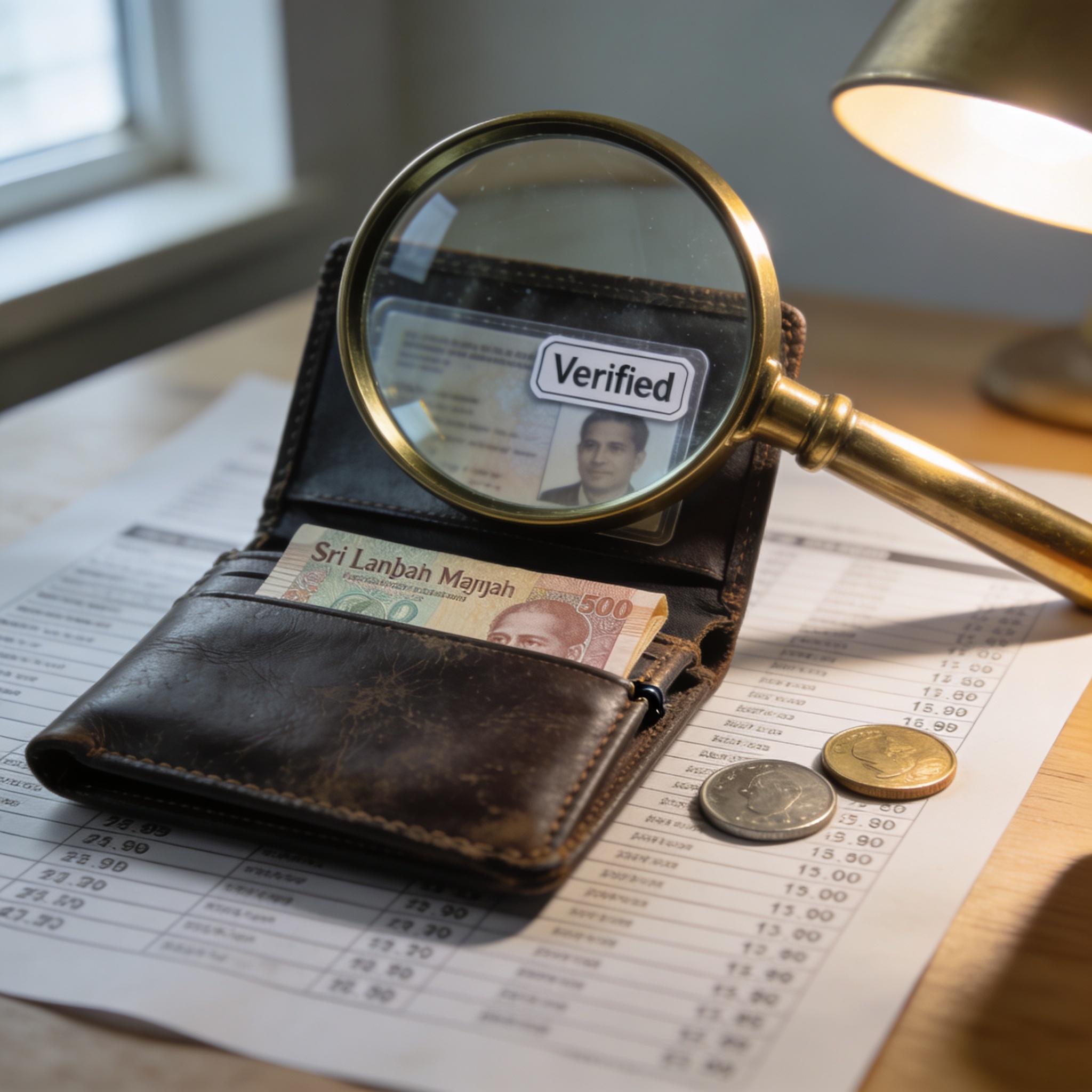
What verification fees usually pay for
On many Lanka Add networks, verification fees cover:
- Video verification labels
- Voice verification options
- VIP placement
- Featured visibility boosts
- Priority listing positions
What they usually do not include is a transparent identity review process backed by published standards or independent audits.
Which platforms offer more transparency?
Mainstream Sri Lankan marketplaces generally publish clearer moderation policies, public safety advice, and formal reporting systems. They also maintain larger moderation teams and visible escalation channels.
Hela-style directories prioritize fast posting and niche reach, especially for personal or spa categories. That speed comes with lower transparency and weaker public accountability.
For buyers, the safest approach is simple: treat every verified badge as advertising until the platform clearly proves otherwise.
Key Takeaways
- Many Lanka Add sites sell verified badges as paid upgrades without publishing clear review standards.
- Most Hela-style directories do not disclose moderators, audit systems, or verification methods.
- Buyers should independently verify sellers instead of relying only on badge labels.
What are Hela ads?
Hela ads are Sri Lankan classified listings commonly focused on personal, spa, and local service categories. Many operate through networks of related domains with paid visibility features.
Where can I post free ads in Sri Lanka?
Mainstream platforms like ikman.lk and Hitad.lk allow free listings in multiple categories. Smaller Hela-style sites also offer free posting but monetize VIP placement and verification upgrades.
How do I post an ad on ikman.lk?
Create an account, choose a category, upload photos and details, then submit the listing for review. The platform also publishes buyer and seller safety guidance.
Are SL ads effective?
Effectiveness depends on the category and platform. Mainstream sites provide larger audiences and clearer moderation systems, while smaller Hela-style directories focus on niche traffic and paid visibility.
Frequently Asked Questions
What is the difference between Hela ads and ikman.lk?
Hela-style directories focus heavily on personal and niche listings with paid verification labels, while ikman.lk operates as a broader marketplace with public safety guidance and moderation systems.
Do verified badges on Lanka Add sites mean real identity checks?
Most sites do not publish enough information to confirm that. Many openly charge fees for the badge itself without explaining the review process behind it.
What happens if a verified listing turns out to be fake?
Many smaller directories publish no refund policy or dedicated complaint channel, especially once communication moves to Telegram or WhatsApp.
How can I safely verify a seller before paying?
Search the phone number across domains, request live or timestamped proof, compare duplicate listings, and avoid advance payments whenever possible.
Are Hela-style classified sites regulated in Sri Lanka?
General consumer and fraud laws apply, but many smaller classified networks provide limited transparency about ownership, moderation, or data handling.
Why do verified ads often receive more responses?
Visibility boosts and featured placement likely increase exposure. That does not necessarily mean the seller was independently verified.
```