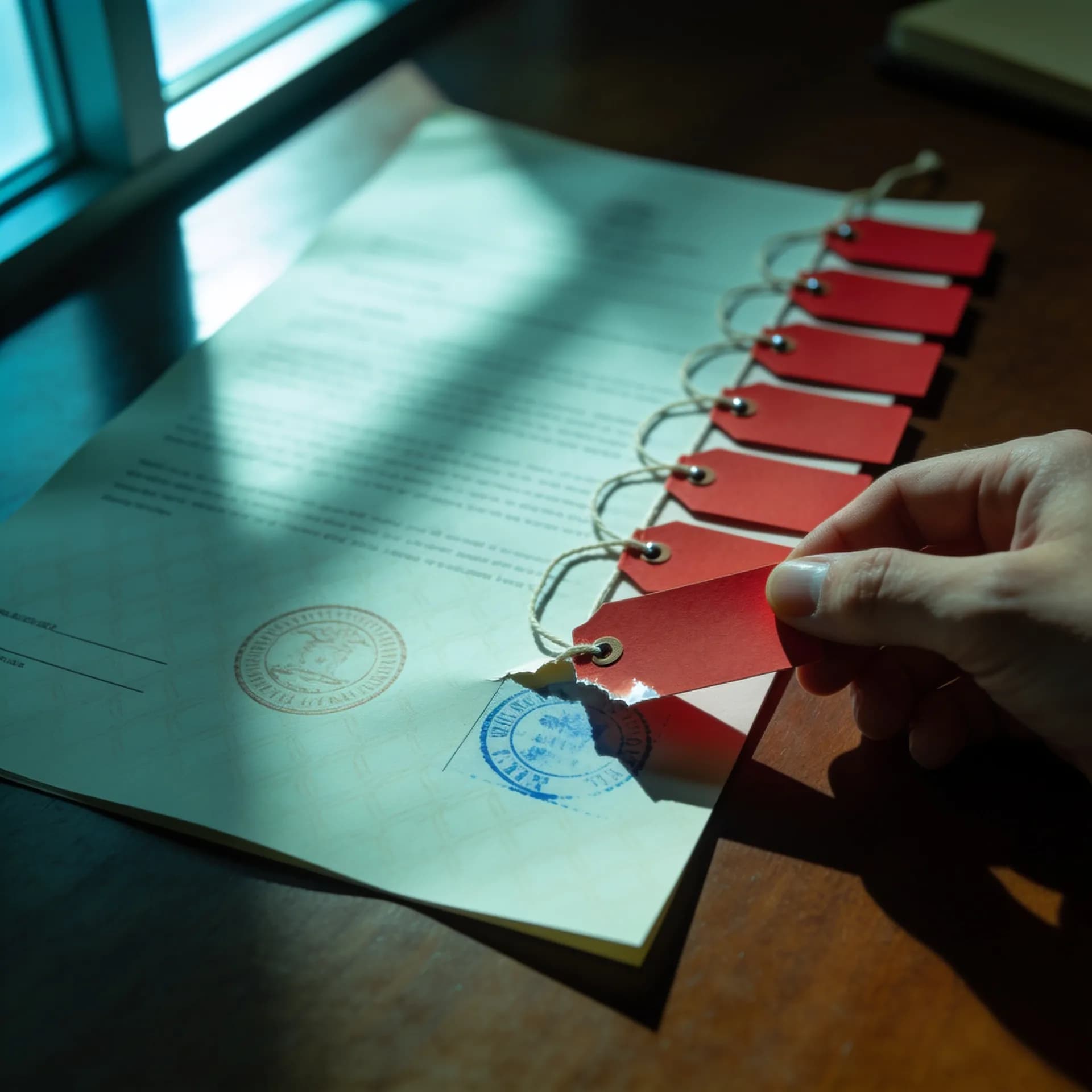
When Verified Means Promoted: Inside Lanka Ads Verification Economy
On Sri Lankan classified sites, that verified badge is more likely a paid sticker than a safety check.
When you see a verified badge on a classified site, your brain does something reasonable — it relaxes. Someone checked this, you think. But that assumption is exactly what these platforms are counting on. Look closer and the pattern becomes clear: badges show up next to ads that paid for placement or bought an upsell package. Not one platform publishes an actual audit process. What gets sold as a trust signal is really just a marketing product.
On Lanka Ads platforms, verified badges are paid promotions in most cases — not audited safety markers. None of them cross-check listings against the SLTDA registry or any other public record.
The same claim, on every platform
Open any major Lanka Ads site and you'll find some version of a verified or cashback verified label. The wording implies that someone external looked into this. Sellers lean into it. Buyers use it as a filter. The label appears on homepages, in ad footers, across category pages — in English and Sinhala both. All that repetition builds a shared assumption that the badge actually means something. No platform ever pushes back on that assumption. There's no disclaimer, no fine print, nothing to challenge what users naturally believe.
What the listings actually show
lk-ads.com puts "100% cashback verified" right above the contact button on spa and personal service pages. spalankaads.com drops SLTDA licence numbers into ad text but never links to the actual SLTDA registry — so you can't check anything with one click. Hela Lanka Ads pushes VIP and Super Ad tiers right alongside verification badges in the same breath. The same ad copy turns up across duplicate domains with slightly different branding. Payments get routed through WhatsApp or Telegram rather than through any platform checkout. This same pattern holds across at least four active domains.
The verification process that doesn't exist
Not one platform publishes a document explaining what verification actually involves. Analysis of the top five sites found zero public criteria for how badges get issued. Licence numbers appear in listings but never link to the SLTDA lookup tool. helaadd.com sells video verification as a paid add-on with no evidence the video is stored or reviewed by anyone independent. Without documentation, there's no standard to test against. Platforms deliberately avoid any language that would make them responsible for the label. That silence isn't an oversight — it's a business decision.
How money turns into a trust badge
The price lists are right there on several sites. Super VIP ads and cashback verified upgrades sit in the same checkout flow. The system rewards paid volume, not accuracy. A platform makes money the moment an ad gets a badge — regardless of whether the seller ever meets any kind of standard. Once buyers move to WhatsApp, the platform is out of the picture. That design keeps moderation costs low while the listing still looks checked. The whole economic model is built around giving out badges, not restricting them.
Regulators exist — but the gap between them and these platforms is wide
SLTDA keeps a public registry with specific licence formats and renewal dates. Ads display numbers that match the format, but the platforms never connect those numbers to the actual registry page. There's no one-click button that queries the SLTDA database. Buyers either look it up themselves or skip it entirely — and most skip it. SLTDA hasn't published any enforcement data on licence number misuse in classified ads. Without cross-platform complaint tracking, patterns of abuse stay invisible to anyone who might act on them.
A practical verification checklist you won't find on any of these platforms
Start by searching the