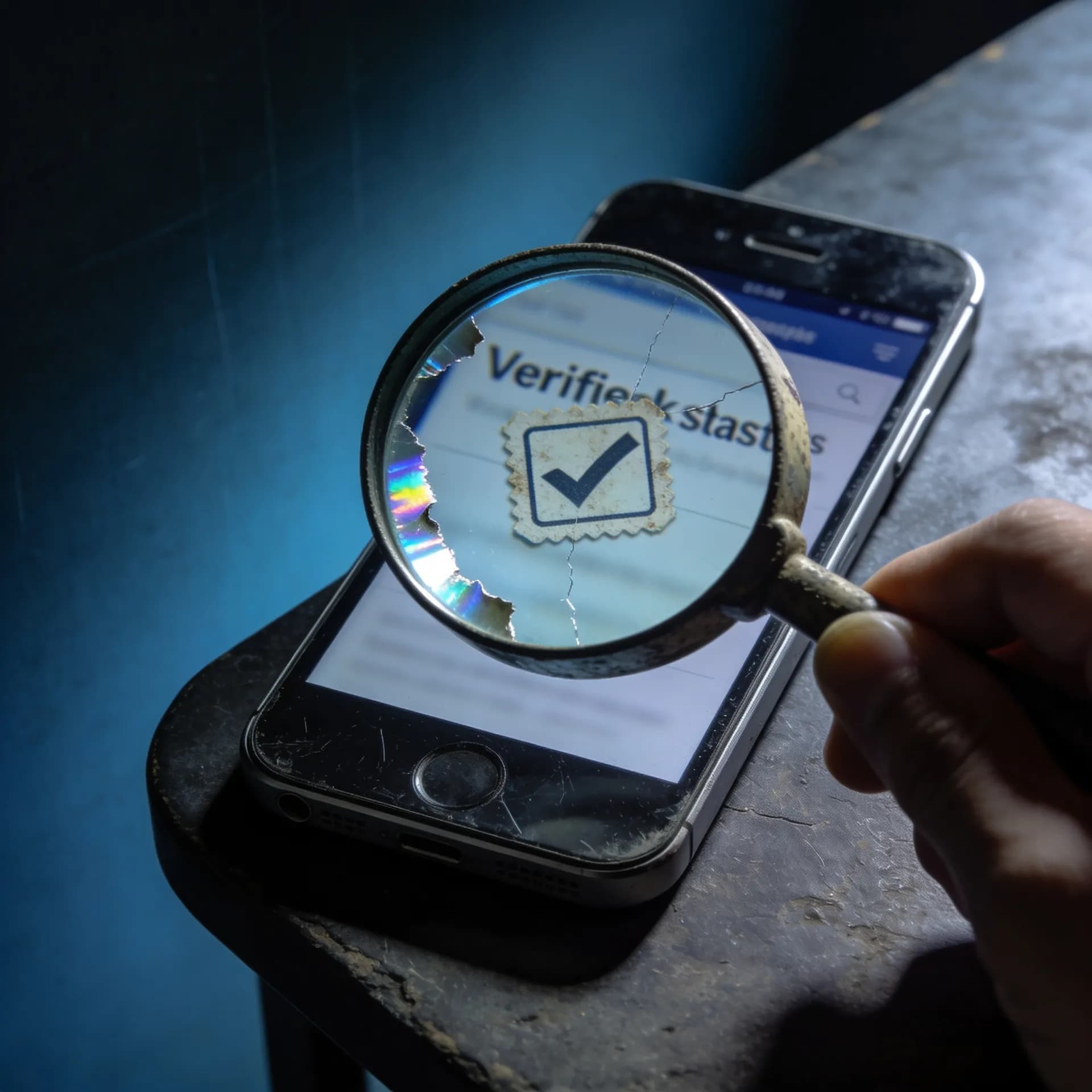
Why Lanka Add Verified Badges Don’t Always Protect You — and the 7 Checks Every Sri Lankan Should Use
Most people open a Lanka Add site, notice the verified badge beside a listing, and assume the seller has already been checked. That reaction is understandable. The platform displays large ad counts, VIP labels, cashback offers, and trust-style icons that make the listing feel safe at first glance.
The problem is simple: most sites never explain what “verified” actually means.
No clear process. No approval timeline. No explanation of what was checked. Yet users continue treating the badge as proof.
Verified badges on Lanka Add sites often work more like marketing labels than real safety checks. Before sending money, arranging meetings, or sharing personal details, users should run every listing through a separate seven-step verification process.
Why We Instinctively Trust the Verified Badge
The moment people see a verified symbol, they stop questioning the listing as carefully. The badge appears beside large category counts and “free posting” buttons, which creates an immediate sense of legitimacy.
For example, Hela Lanka Ads displays thousands of listings on its homepage. That number may reflect activity and volume, but volume alone does not confirm trustworthiness.
The decision to message the seller usually happens before any outside check takes place.
Case File 1: HelaAdd and the “Verified” Badge with No Explanation
HelaAdd displays verified listings and cashback-style promotions, but nowhere does the site clearly explain how a seller earns the badge.
Was the seller’s ID checked? Was the phone number confirmed? Did anyone manually review the listing?
The platform does not publicly answer these questions.
Without a visible process, the badge becomes more decorative than informative.
Case File 2: LankaAdd and the “48-Hour Response” Promise
LankaAdd includes a safety tips page that encourages users to report suspicious listings and promises a response within 48 hours.
But the platform does not clearly explain what happens if that response never arrives.
There is usually no public escalation process, named support contact, or complaint tracking system.
As a result, the promise of quick support feels reassuring, but users may still be left without a real resolution path.
Case File 3: Adult Listings Mixed with Everyday Classifieds
Some Lanka Add-style sites display spa, personal, or adult listings beside ordinary categories like vehicles, rentals, and electronics.
Many of these listings include pricing and direct contact details, yet the surrounding pages provide no visible information about:
- Age verification
- Identity checks
- Safety screening
- Moderation procedures
The issue becomes more concerning when the same platform mixes mainstream and sensitive listings without clear separation.
Why These Platforms Feel Trustworthy So Quickly
The design itself encourages fast decisions.
Badges, high listing counts, VIP labels, and cashback offers all create social proof. Users naturally assume that a large active platform must also be well moderated.
At the same time, platforms benefit from keeping the posting process simple:
- Free ads attract volume
- VIP upgrades generate revenue
- Minimal verification lowers operating costs
The result is a system where trust signals are highly visible, while verification details remain vague or hidden.
The 7-Step Safety Checklist Most Platforms Never Publish
Before responding to any Lanka Add listing, run these checks yourself.
- Open the listing on a desktop browser and record the posting date and time.
- Search the seller’s phone number or email address on at least two search engines.
- Request a government ID, business registration, or ownership document when appropriate.
- Ask for a recent photo showing a timestamp, location detail, or identifiable landmark.
- Test whether the payment method offers refunds or transaction protection.
- Check whether the platform publicly explains its refund or complaint process.
- Save screenshots of the listing, messages, and payment details before meeting anyone.
These steps shift verification away from the platform and back into the user’s control.
A Complaint Process That Gives You Better Protection
If something feels suspicious, act quickly and document everything.
Start by sending the platform a short written complaint within 24 hours:
"I am reporting ad ID [number] posted on [date]. Attached are screenshots showing the issue. Please confirm receipt and advise on removal within your stated response period."
If there is no meaningful response within 48 hours, escalate the matter through official channels.
In Sri Lanka, users can contact:
- The Consumer Affairs Authority hotline (1977)
- The CCID cybercrime unit for suspected fraud or online scams
- Local police for urgent safety concerns
Keep copies of all screenshots, messages, dates, and reference numbers.
What Classified Platforms Should Improve
Most trust problems could be reduced if platforms became more transparent.
At minimum, classified sites should publish:
- The exact verification process
- What documents are checked
- How long approval takes
- How complaints are handled
- Average response times
- Named support or moderation contacts
Without this information, verified badges remain vague marketing claims instead of meaningful trust signals.
Key takeaways
- Most Lanka Add verified badges do not explain what was actually checked.
- Users naturally trust visible badges and large listing counts, even when no verification details exist.
- A personal seven-step safety process is more reliable than relying on platform labels alone.