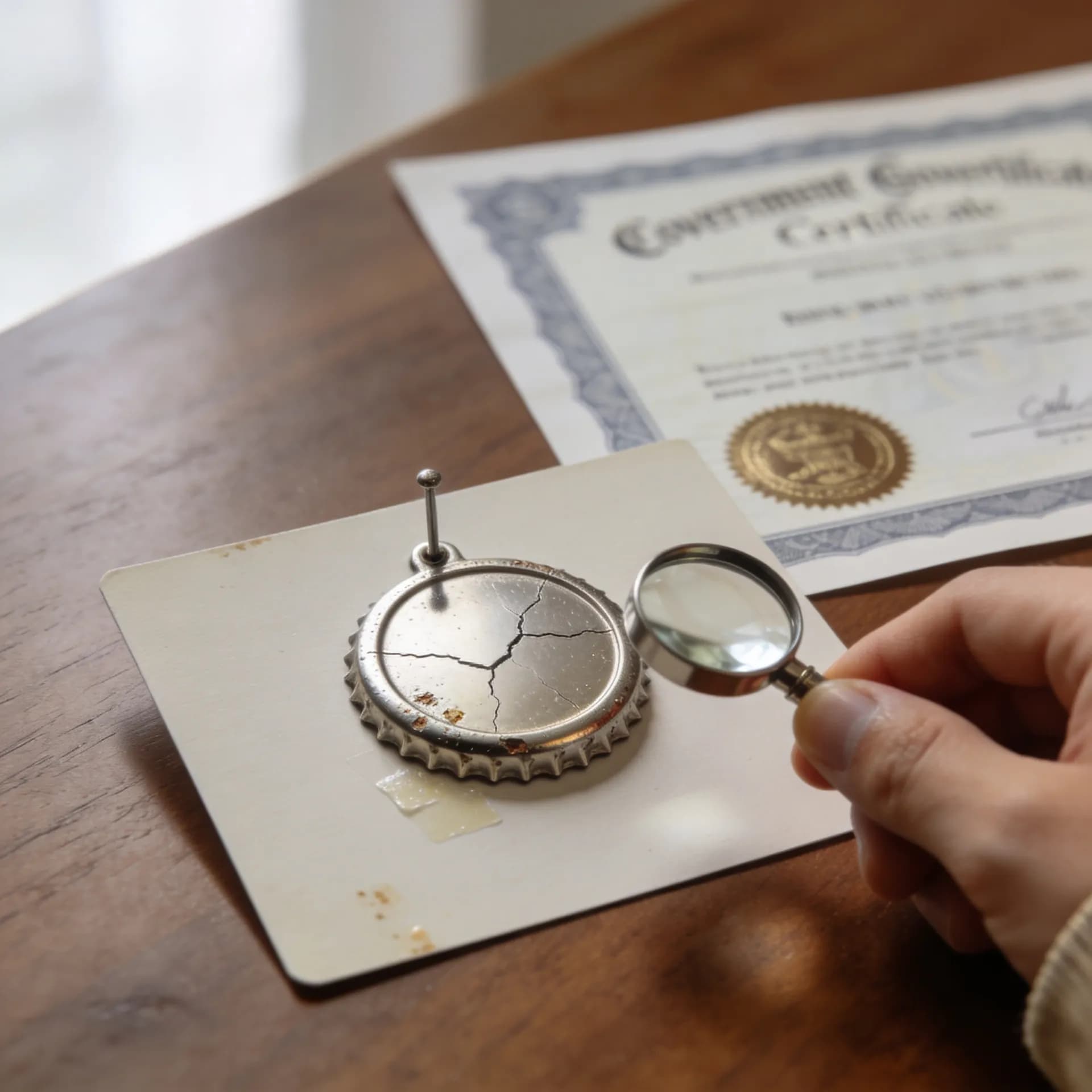
Why Many Sri Lankans No Longer Trust “Verified” Spa Badges

You’re scrolling through spa listings late at night, looking for a relaxing treatment in Colombo. One ad stands out immediately — luxury photos, glowing reviews, and a bright “Verified” badge beside the name. It feels reassuring at first.
But many Sri Lankan consumers are starting to ask an important question: what does that badge actually prove?
For most classified platforms, verification often means little more than a paid feature. It does not always confirm professional standards, government registration, or service quality. That is why experienced users now rely on deeper checks before booking.
Instead of trusting badges alone, look for real-world proof: SLTDA registration numbers, Lanka Spa Association membership, clear business addresses, proper invoices, and traceable payment methods. These signs are far more reliable than platform labels.
Why Buyers Have Become More Careful
Over the past few years, spa and massage listings across Sri Lankan classified sites have grown rapidly. Some businesses are genuine wellness operators. Others are far less transparent.
Consumers have noticed that many listings use polished photos and verification badges to create instant trust, even when very little public information exists about the business itself.
That uncertainty has made buyers more cautious.
Today, many people check:
- Whether the spa has a real physical address
- If the business appears outside classifieds on Google or social platforms
- Whether reviews look authentic and consistent
- If invoices and receipts are provided before payment
In Sri Lanka’s classifieds market, transparency now matters more than promotional badges.
What Real Verification Looks Like
Professional spas usually make legitimacy easy to confirm. They openly share business details, registration information, and contact methods that can be independently checked.
Safer listings often include:
- SLTDA registration details
- A clear business address with location visibility
- Official phone numbers and invoices
- Recent photos of the actual premises
- Reviews from multiple independent platforms
By contrast, listings that rely only on WhatsApp chats, bank transfers, or anonymous profiles can create higher risks for customers.

How Consumers Can Protect Themselves
Before booking any spa service through classifieds, take a few minutes to verify the basics. A genuine business should not hesitate to provide clear information.
Good habits include:
- Saving screenshots of listings and conversations
- Requesting invoices before making payments
- Avoiding cash-only or WhatsApp-only transactions
- Checking whether the spa exists beyond classified ads
These simple checks help reduce the chances of disappointment, fraud, or misleading experiences.
Trust Should Come From Transparency
Many classified platforms promote badges as trust signals, but consumers today are learning to look deeper. A real business builds confidence through openness, consistency, and verifiable information — not just icons beside a listing title.
For spa operators, sharing proper credentials and accurate details is the strongest way to stand out. And for buyers, careful verification remains the safest path before making any booking.
Key Takeaways
- Verified badges on classified sites do not always confirm professional standards.
- Real trust comes from registration details, addresses, invoices, and transparency.
- Consumers should always verify spa listings independently before booking.